
The City of Nanaimo steam rolls climate change adaptation projects amidst visit from Philippines delegates.
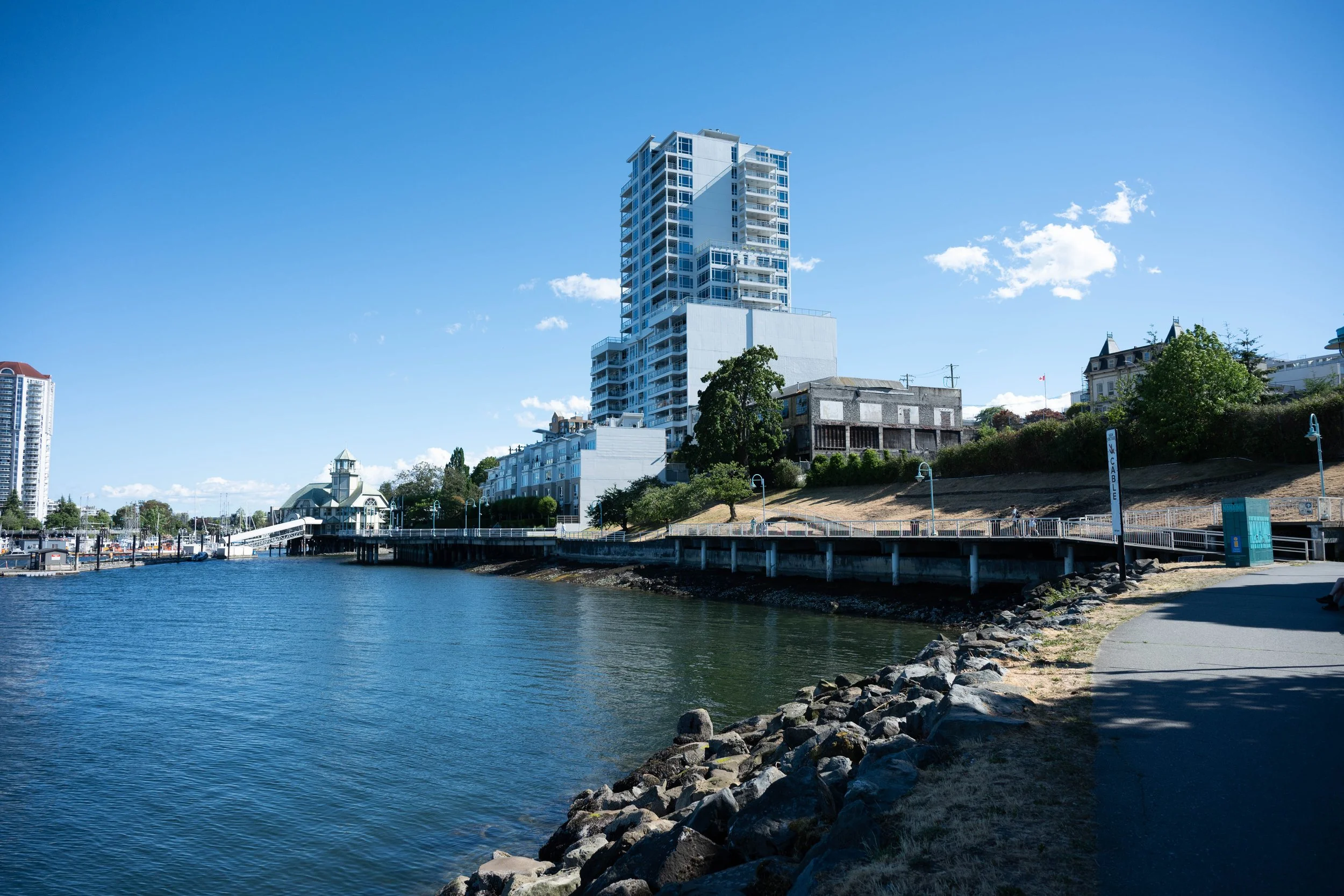
The City of Nanaimo is developing initiatives around climate adaptation, including sea level rise management, with a project called Our Coastal City led by David Stewart. (Luis Zablah/CHLY 101.7FM)
With the City’s Sea Level Rise Management Plan almost complete, Nanaimo is visited by Philippine government officials as part of a peer exchange program focused on climate adaptation and reducing disasters.
The City of Nanaimo is developing initiatives around climate adaptation, including sea level rise management, with a project called Our Coastal City led by David Stewart. It aims to map out and help plan for changing sea levels in the area.
CHLY spoke with Stewart, the City of Nanaimo’s Environmental Planner and part of the Sustainability department, on the idea behind Our Coastal City project.
“We know climate change is going to happen. How do we adapt our cities to deal with that, to address that in the future,” he said.
The work is currently focusing on sea level rise along the coastline, mapping sea level rise predictions. Stewart commented on the 2018 mapping that identified future sea level rise projections.
“We're projecting about just under a meter by 2100 so within the next 80 years of sea level rise, which doesn't sound like a lot, but when you add on coastal flooding, storm surges, king tides, and things like that, it does have an impact in some parts of our community, and particularly Departure Bay, Protection Island, Downtown, and Duke Point,” said Stewart. “Within those four areas, the 2018 study identified a need for further analysis and more realistic, more detailed mapping.”
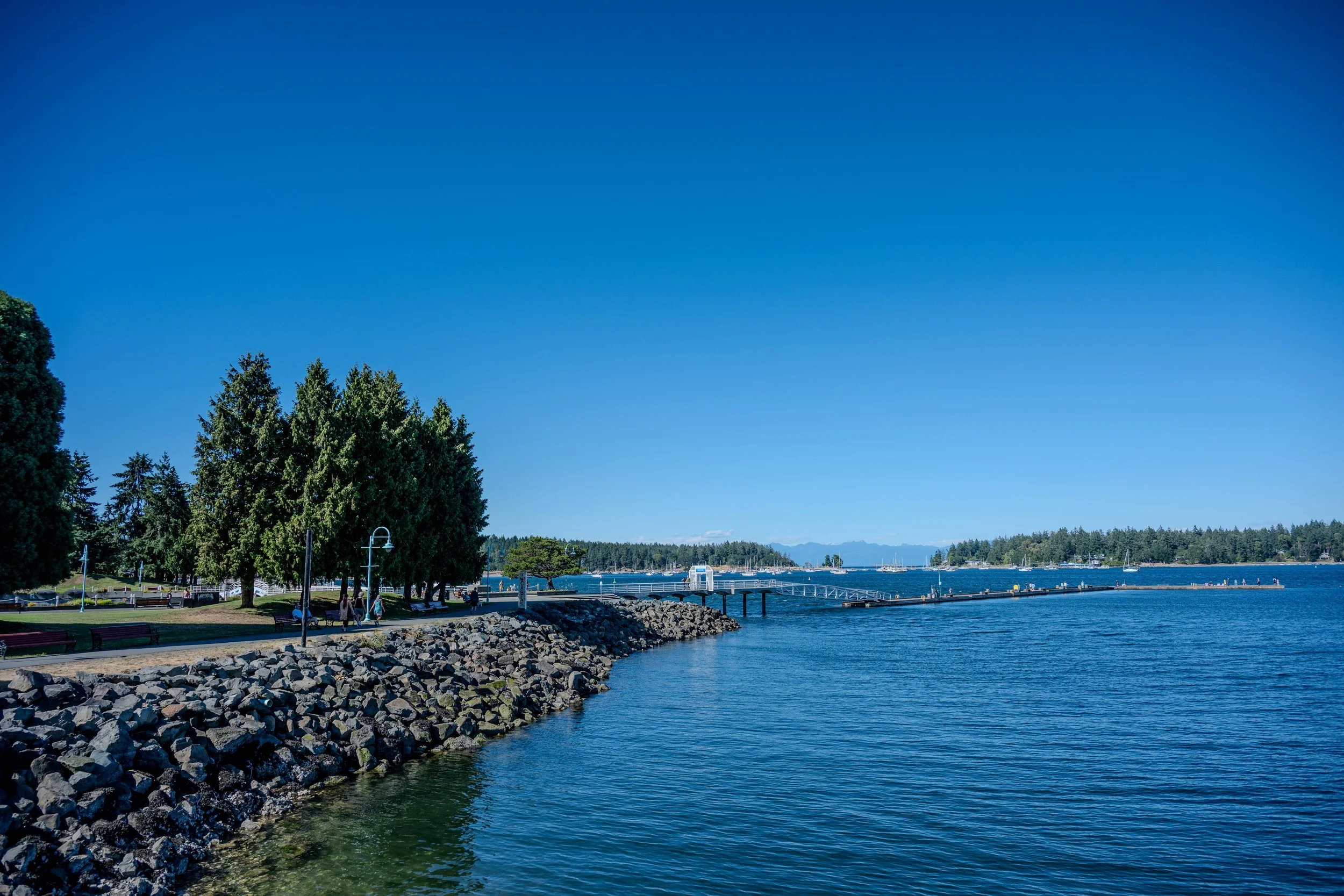
The next step explores options for the management of sea level rise and communicating the plans and actions with the public. (Luis Zablah/CHLY 101.7FM)
According to the official Sea Level Rise Management plan, the project has continued to map the area for the last few years and is getting ready to enter phase two. The next step explores options for the management of sea level rise and communicating the plans and actions with the public.
Stewart added on other areas in Nanaimo that could be affected by the changing sea levels and what that could mean for the future.
“There's some areas like where the conference centre is and the museum and all that, that's at risk just because of the low lying areas,” said Stewart. “It's not time to panic, but it's time to start thinking about this. We have a longer time frame, so that's the good news. We have a lot of time to work and figure this out, but there are some vulnerabilities that need to be addressed.”
The project also asked for the collaboration of the community through the use of surveys. The interaction was split into two phases, with the first having the city meet with community stakeholders such as seniors and high school students. They took the feedback like the importance of access to the shoreline for recreational activities at Departure Bay Beach for example. The second phase used conversations at a community level to understand people’s priorities. According to Stewart, these conversations and methods lead to consideration of nature based solutions.
Stewart says climate change initiatives require the many areas and communities of Vancouver Island to work together, with collaboration between groups such as the Regional District of Nanaimo, Snuneymuxw First Nation, the Port Authority, community members and the town of Qualicum Beach.
“First of all, sea level rise obviously doesn't respect municipal boundaries. The problem doesn't stop at the end of the city of Nanaimo,” he said. “We're also working with Snuneymuxw First Nation as well. The East, obviously we have shared coastline with the nation. There is coastal flooding that they're experiencing along the Cedar area, as well as riparian flooding from the river.”
Earlier this month, visiting delegates from the Philippines toured Vancouver Island and witnessed presentations from City Staff on the active climate change initiatives.
Stewart commented on how the Philippines delegates visit came to be.
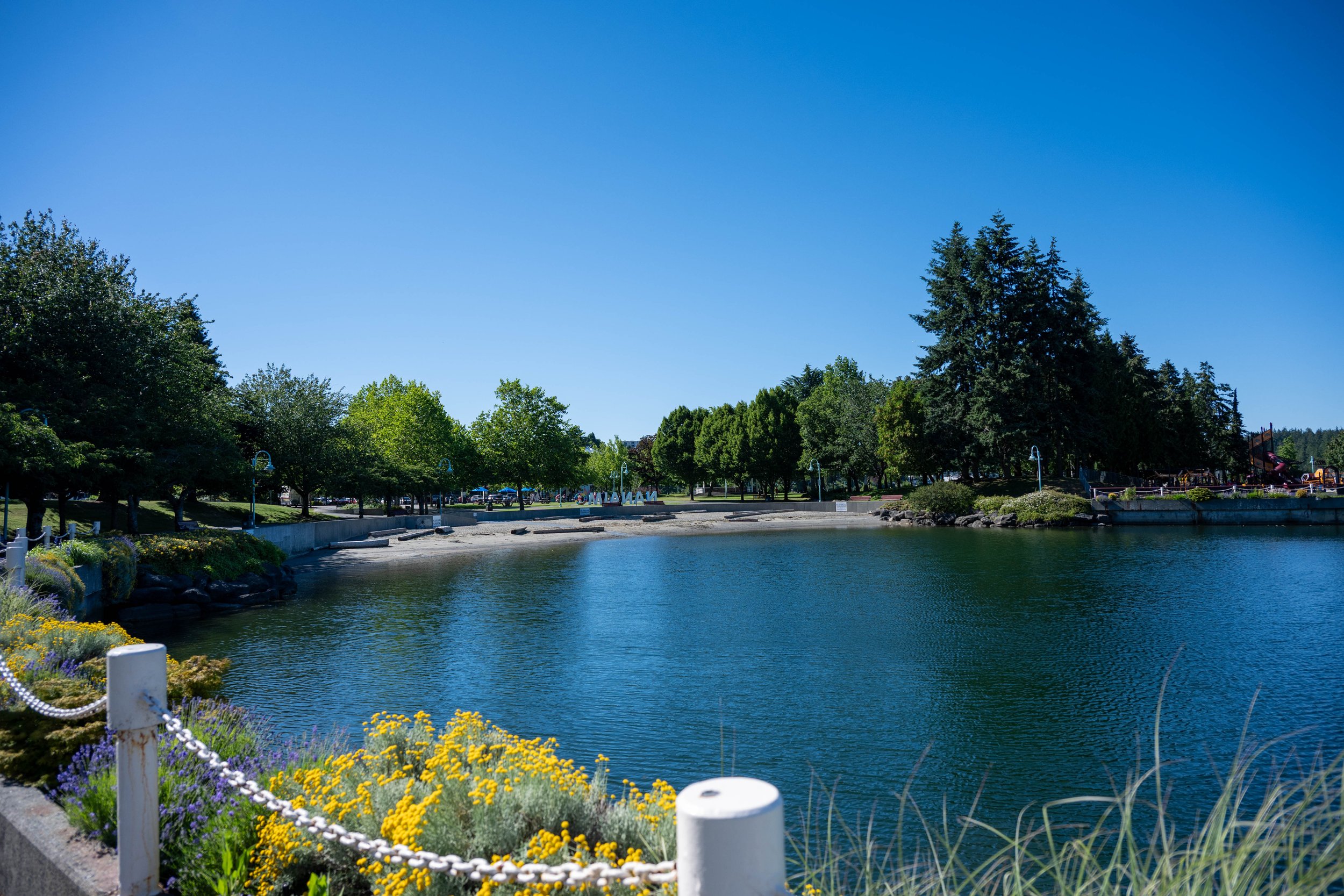
Nanaimo is currently working on preparing for the inevitable climate change that the island will feel, working on climate adaptation to prepare. (Luis Zablah/CHLY 101.7FM)
“The purpose was to really allow them to learn from other local governments, obviously, that people in the Philippines are dealing with climate impacts on a first-hand basis, as well as other emergencies and risks,” said Stewart.
Nanaimo is currently working on preparing for the inevitable climate change that the island will feel, working on climate adaptation to prepare. The delegate’s visit allowed the city to showcase these projects and learn more about the work being done behind the scenes.
David Stewart hopes the Philippines officials take away the City of Nanaimo’s sense of community and “togetherness” when it comes to dealing with these issues on the island.
“Whether you're an island in the Philippines or an island in British Columbia, as coastal cities, we're all dealing with this issue in our own ways.”
Future information on the matter will be available on the City of Nanaimo’s website.
Funding Note: This story was produced with funding support from the Local Journalism Initiative, administered by the Community Radio Fund of Canada.