
Healthcare, water security and climate change among top issues at Mid-Island Pacific Rim candidates forum
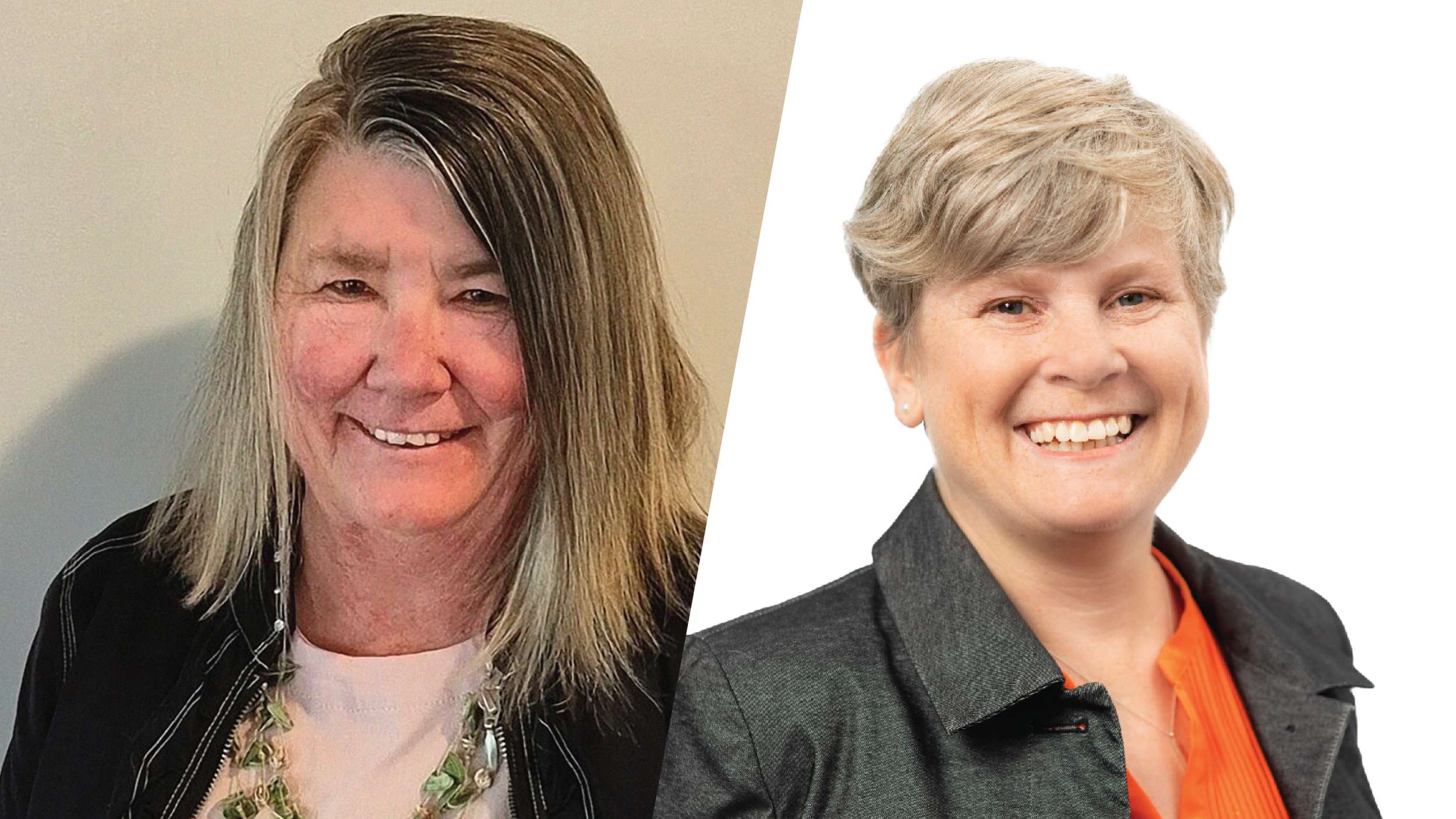
BC Green Party candidate Gracie MacDonald and BC NDP incumbent Josie Osborne. (Supplied)
Healthcare, water security and climate change were among the issues discussed at the Mid-Island Pacific Rim all-candidates meeting, hosted by the Tofino Chamber of Commerce.
The forum featured BC NDP incumbent Josie Osborne and Green Party candidate Gracie MacDonald, with BC Conservative candidate Joshua Dahling declining participation.
Healthcare access was a key topic. Josie Osborne, former provincial health minister, discussed the proposed replacement plans for the Tofino General Hospital.
“So as far as the Tofino General Hospital replacement goes, this is the oldest hospital in Island Health's area now, and we know that it needs to be replaced by the services that people can depend on so that they're here close to home. That's why we've worked hard in this community to get it to the top of Island Health's capital funding list. A lot of work was done on a concept plan, but that was at COVID, and now with the increased cost, we've seen the need to rethink and shift and maybe phase the plans there. So that is work that's actively underway in government right now with the Ministry of Infrastructure,” said Osborne.
MacDonald said local primary care services should be prioritized.
“The reality is we still have one million people without a family doctor, so there's lots to be done for sure. We have a plan to fund healthcare and education by increasing royalties to oil and gas, as well as a wealth tax on the very richest people in BC. That's how we would pay for it,” said MacDonald.
The candidates also discussed emergency transportation, including the need for a route out of the Alberni Valley as an alternative to Highway 4.
“It's a safety issue at this point for sure, and as we see more fires due to climate change and the condition of our logged forests, we're going to see more and more emergencies where we need full access to get out. So I'm looking forward to that being built,” said MacDonald.
Osborne also said she would work on making this proposed road a reality.
“My office has been very much supporting that, looking at the different access routes. And a commitment that I have made if I'm reelected is to do everything that I can to get a firm agreement, like a memorandum of understanding between the forest companies and the province who own different sections of the road to make sure that in the event of an emergency, we have that access in and out of the community,” said Osborne.
Water security was another major issue, particularly concerns about logging in watersheds and finding ways to store water during dry periods.
Osborne said the province has a role in bringing communities together to protect watersheds and mentioned the BC NDP commitment to add $30 million dollars annually to the Watershed Security Fund.
MacDonald called for changes to rules surrounding water storage with more flexible options, including the usage of cisterns.
“Currently, if you want to back up your system with a cistern, it's not considered drinking water, and you have to prove that you can extract enough water from the ground, safely to be able to build a home. And so we'd really like to see more creative solutions to water that involve not just storing it behind a big dam or extracting it from the ground,” said MacDonald.
On climate change, the candidates discussed transitions to renewable energy and the usage of liquefied natural gas. MacDonald said the government should stop subsidizing the oil and gas industry and redirect funding toward renewable energy.
“We would not be funding LNG to the tune of millions and billions of dollars a year. I mean, LNG is being sold to us as clean energy, and it's not, and it's increasing the greenhouse gases that are increasing our wildfires, that are increasing our climate change. It's just we can't keep doing that. We need to claw back that money and start using it for clean energy. Yes, electricity is clean, but if we keep building mega dams, it's not,” said MacDonald.
Osborne pointed to investments in renewable electricity and electric transportation, and said that LNG expansion remains a complicated issue.
“LNG is something that I know I really personally have struggled with, and I wanna see us move much more strongly towards a more fossil fuel-free future. And I also know when I came on as a BC NDP MLA, the permits were already in place for LNG Canada Phase 2, and there's very little that a government can do to prevent a project like that from happening. I think there's serious discourse and argument out there about displacing fossil fuel use like coal and other, higher GHG producing fuels in other countries. And it's a big part of the conversation that we have to continue to have. But we're not backing away from an ambitious climate plan. But LNG has been used as a way of some of the resources that we need, to make the social investments that we need,” said Osborne.
The forum also covered Indigenous rights, disability benefits, affordable housing and the overdose crisis.
Election day is this Saturday October 24. Voters can cast their ballots from 8:00 a.m. to 8:00 p.m. For polling locations and more information, visit electionsbc.ca.
Funding Note: This story was produced with funding support from the Local Journalism Initiative, administered by the Community Radio Fund of Canada.
Newsroom Ethics • About our Newsroom • Report an Error • Corrections & Clarifications