
Brooklyn Creek Watershed Society finds a record amount of smolts for 2026
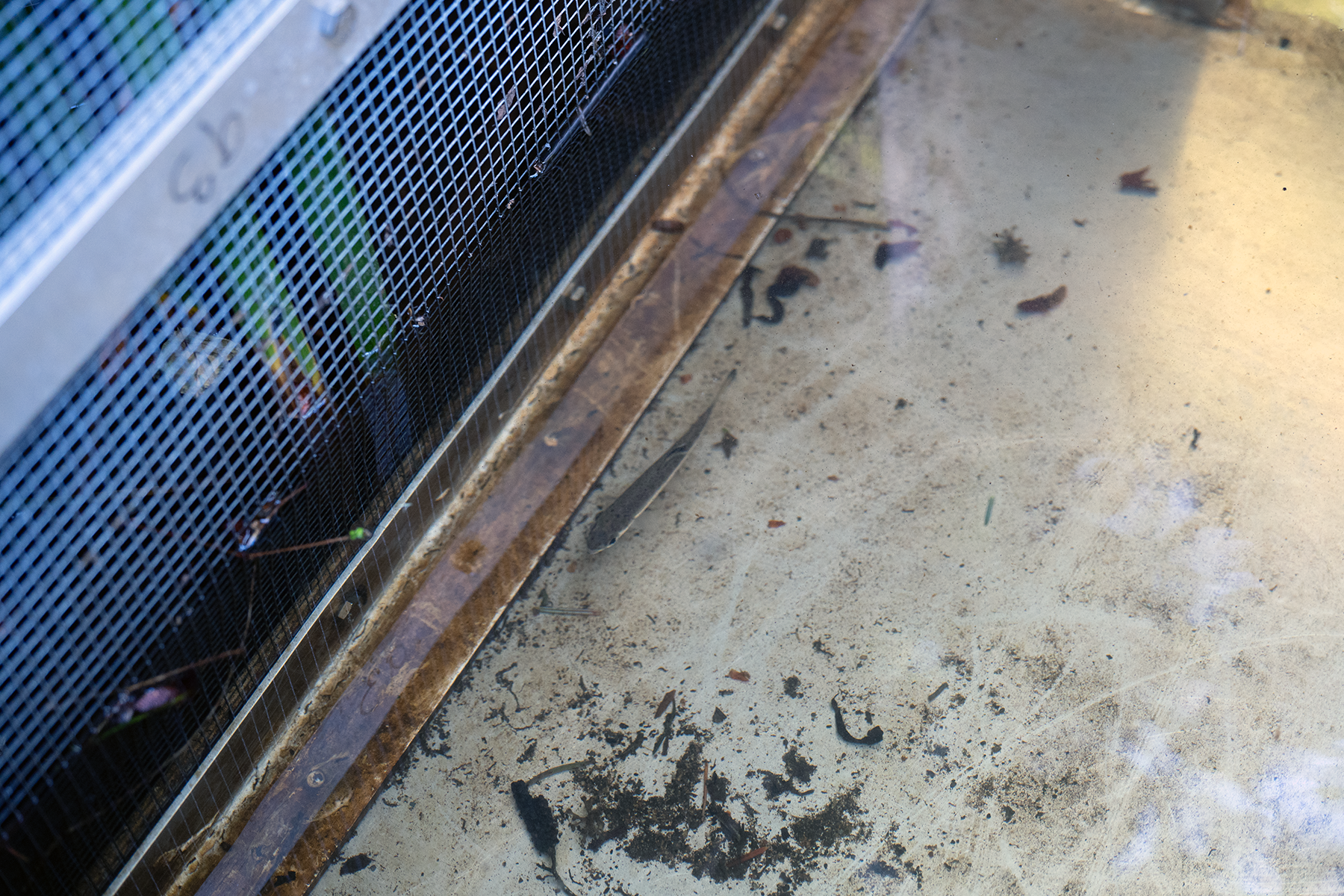
According to the Freshwater Fisheries Societies of B.C., smolts take two years to grow into adults in the ocean, before migrating back to freshwater to spawn and die in the fall. (Jeannie Lin / CHLY 101.7FM)
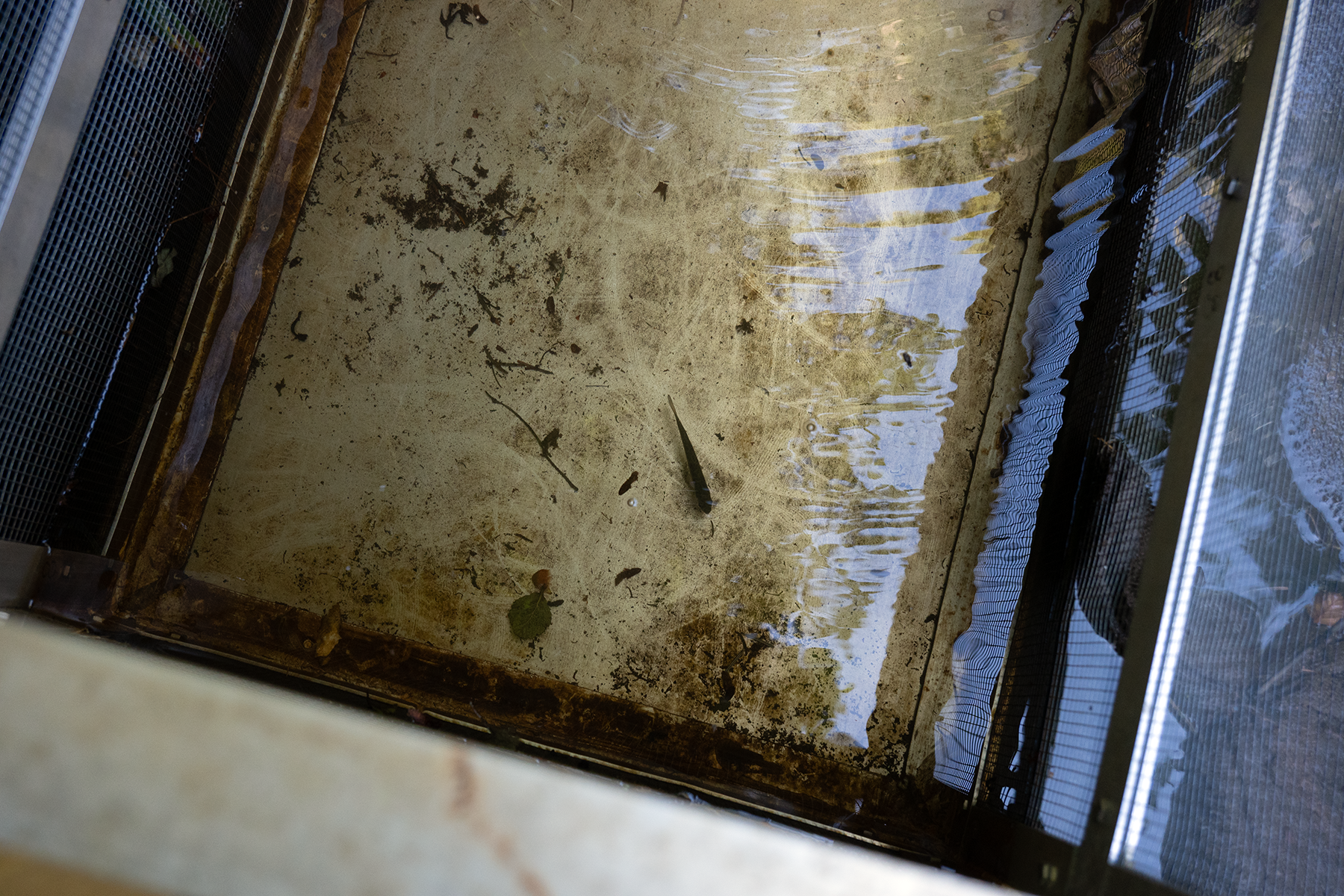
Smolts are trapped inside this box and counted before being released back into the water. (Jeannie Lin / CHLY 101.7FM)
A Comox Valley environmental group is reporting record Coho salmon smolt counts in Brooklyn Creek, following recovery efforts.
“ Smolts are the salmon at a phase where they're ready to go into the ocean. So they're one step up from fry. They're basically teenagers. They have been in the creek for a couple years, and they're ready to go into the ocean,” said Viviane Schmidt, volunteer with the Brooklyn Creek Watershed Society.
According to the Freshwater Fisheries Societies of B.C., smolts take two years to grow into adults in the ocean, before migrating back to freshwater to spawn and die in the fall. B.C. is home to five different native species of salmon, including pink, chum, coho, chinook and sockeye, per Pacific Wild.
Brooklyn Creek is a six-kilometre urban creek that runs through residential areas throughout the Comox Valley. Schmidt said counting the smolt population is important for monitoring the health of the creek.
“So it's one way to monitor our efforts, but it's also a good way to keep track of the health of this creek. This creek is one of very few urban creeks. It runs through two golf courses. It pretty much starts up at Costco. So there's a lot of strain on the creek. So this gives us a way to monitor how well the creek is doing,” Schmidt said.
According to the Canadian Wildlife Federation, urban runoff is one of the biggest water pollution challenges for a city. Pesticides, road salt and pet waste all contribute to harming fish spawning areas.
Brooklyn Creek volunteers count once in the morning and once in the evening for six weeks of the year, between April to May. Schmidt explained the process of counting the smolts, which is usually a two-person job.
“Last weekend we had 500 smolts in the box at one count, I brought someone to help me. So one person takes down the temperature, the weather, the water level, which is very important, and or helps the other person count the smolts with a little net that we put to trap them inside the smolt box and then release into the creek right next to it. We're trying to be super gentle and not have them out of the water for more than a few seconds. We're using a really soft net, their skin is super sensitive at this stage in their life, and we don't wanna get any scales off or hurt them,” Schmidt said.
Schmidt explained the causes for the record high number of smolts this year.
”We have the highest number we've ever had this year. And for us it's very positive because we did some work upstream on a farm where the farmer let us add some reeds for grown salmon to spawn, some spawning areas. And so we are thinking because we did that riparian work, we have this higher salmon count,” Schmidt said.
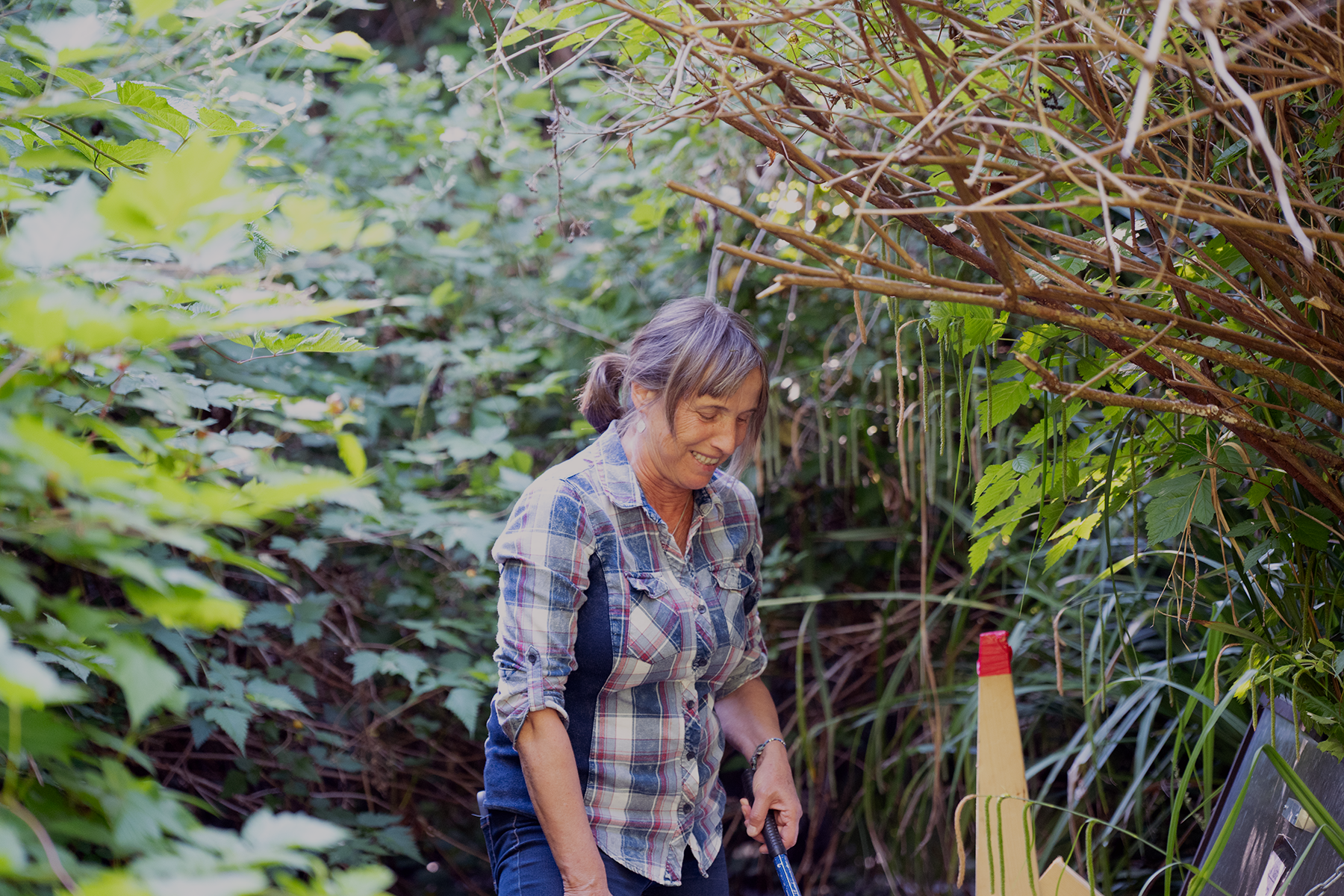
Viviane Schmidt is a volunteer with the Brooklyn Creek Watershed Society. (Jeannie Lin / CHLY 101.7FM)
A riparian zone is an area between land and water that allows animals to travel between different biomes. Riparian zones provide rich environments for plants, fish and other wildlife. This year the Brooklyn Creek volunteers have counted close to 5,200 smolts since April 15.
“We had a few years, we've been counting for 16 years, as far as I know. And we've had in the beginning and in the early 2000s, we had numbers around 3,000. But in the last couple of years we had really low numbers under 500, so this is a significant change,” Schmidt said.
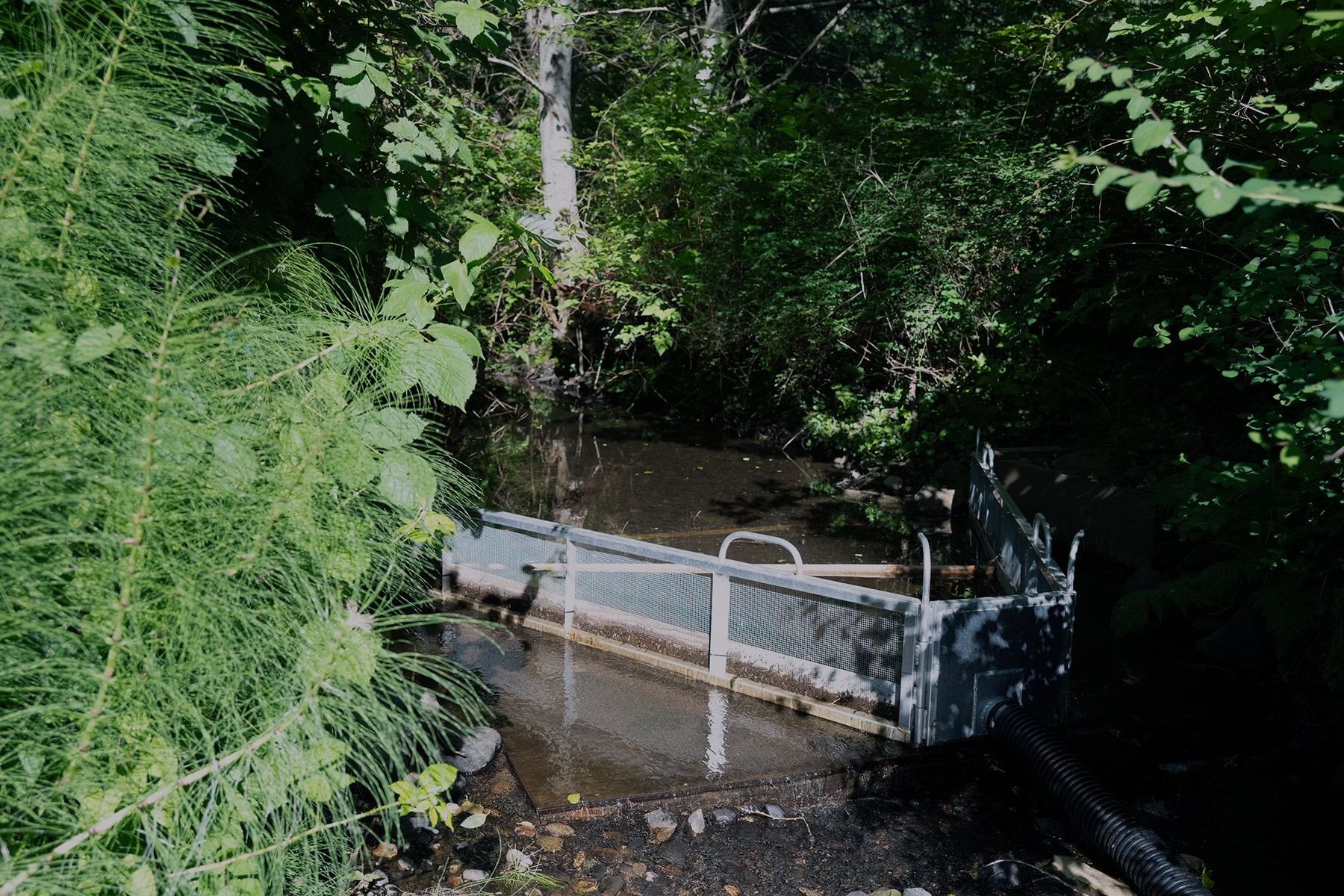
Brooklyn Creek Watershed Society has been using this catch and release system since 2010. (Jeannie Lin / CHLY 101.7FM)
Schmidt said that the riparian work volunteers did also affects the salmon population.
“I think because the salmon now can spawn, have more places to spawn up the creek that, they've been using that. We saw when we did finish the riparian work at the farm, we went back in the fall. We did it in the spring, summer. We went back in the fall, and we already saw in every little corner we created, in every little pond, we saw salmon spawning,” Schmidt said.
Schmidt said that the health of bodies of water such as creeks and rivers have significant effects on wildlife and biodiversity.
“It's all tied in together. The smolts feed on the insects, the birds can come and feed on the insects. The birds can come and feed on the smolt. There's a pair of river otters just before, conveniently located in their den before the salmon ladder. So any salmon that doesn't make it upstream gets eaten by the river otter. So it's just this whole circle or a whole environment that feeds plants, wildlife, birds, everything,” Schmidt said.
Schmidt said that her mission with the Brooklyn Creek Watershed Society is to not let development or climate change impact the creek’s health to the point where salmon can no longer exist and flourish.
“Try not to wash the car with the soap that enters the runoff that goes into the creek. We see when on Sunday when a lot of people wash their cars, we see a ton of smolt going through trying to escape the soapy water. And little things, don't pour anything into the creek that doesn't belong there, and just try not to disturb it because it's an ecosystem that is connected with so many other things,” Schmidt said.
Brooklyn Creek is conducting their final smolt count of the season Friday, June 5.
Funding Note: This story was produced with funding support from the Local Journalism Initiative, administered by the Community Radio Fund of Canada.